If you are planning a new build or considering a major structural renovation in North Texas, the silhouette of your roof is one of the most important decisions you will make. While style matters, the shape of your roof dictates how well your home handles the punishing wind and hail common in Denton County.
At DKG Roofing, we roof North Texas homes, navigating the unique challenges of the DFW climate. The two most common designs you will see in our neighborhoods are the hip roof and the gable roof. Each offers distinct advantages in terms of cost, attic space, and storm resistance. Understanding these differences is key to making a long-term investment in your property.
The Anatomy and Advantages of a Hip Roof
A hip roof is characterized by slopes on all four sides. These sides are generally equal in length and come together at the top to form a ridge. Because of this design, the hip roof is inherently more stable than a gable roof. There are no large, flat surfaces for the wind to catch, which is a significant benefit when North Texas experiences sudden, violent straight-line winds.
For property owners worried about seasonal storms, the hip roof is often the top recommendation. Its aerodynamic shape allows wind to be deflected more efficiently, reducing the risk of the roof being lifted off the house during a severe weather event. Additionally, the constant eaves around the entire perimeter of the house provide excellent shade and protection for the siding and windows below.
- Consists of four sloping sides that meet at a central ridge or point.
- No flat vertical ends; all sides slope toward the walls.
- Superior stability due to the inward pitch of all four sides.
- Excellent for high-wind areas as the wind flows over the roof rather than catching under it.
The Pros and Cons of a Gable Roof
The gable roof is the classic 'A-frame' style most people associate with a traditional home. Its simplicity is its greatest strength. Because the design is straightforward, it requires fewer materials and less labor to construct. If you are working with a tighter budget, a gable roof can provide significant savings on initial installation costs.
However, the 'gable end'—that flat vertical wall—is a vulnerability in high-wind regions. If not properly braced, a gable roof can act like a sail, catching the wind. In extreme cases, this can lead to the roof collapsing or detaching from the wall plates. For our clients in the DFW Metroplex, we often recommend additional bracing for gable ends to ensure they meet modern safety standards. On the plus side, the high pitch of a gable roof allows for vaulted ceilings and much better airflow in the attic, which can help lower cooling costs during our brutal Texas summers. Bracing that has loosened or cracked is a framing issue, and our roof truss repair work addresses exactly that kind of structural weakness.
- Consists of two sloping sides that meet at a ridge, forming a triangle.
- The flat vertical sections at the ends are called 'gabled' ends.
- Cheaper and easier to construct than hip roofs.
- Provides more attic space and allows for better natural ventilation.
Cost and Maintenance Considerations
When you are looking at roof installation service, you’ll find that a hip roof is generally more expensive. The complexity of the cuts and the increased amount of roofing material needed for the hips and valleys add to the bottom line. It also requires more flashing and specialized cap shingles, which increases the labor time.
Maintenance is another factor to weigh. Hip roofs have more seams (valleys and hips) where water can potentially penetrate if the installation isn’t handled by an expert. As a veteran-owned company serving North Texas, we focus on ensuring these transition points are watertight. If you suspect your existing roof has structural issues after a storm, you should schedule a roof inspection to check the integrity of your ridges and valleys before small leaks turn into major structural damage.
- Hip roofs require more material (shingles and underlayment) because of the complex facets.
- Gable roofs are easier to vent through the gable ends, while hip roofs require ridge vents or power fans.
- Hip roofs often qualify for wind mitigation discounts on insurance policies.
Which is Right for Your North Texas Home?
Choosing between these two styles often comes down to your priorities. If your primary concern is high-wind resistance and long-term durability against North Texas weather, the hip roof is the winner. It provides a sturdier structure and better protection against the elements, even if the upfront cost is higher.
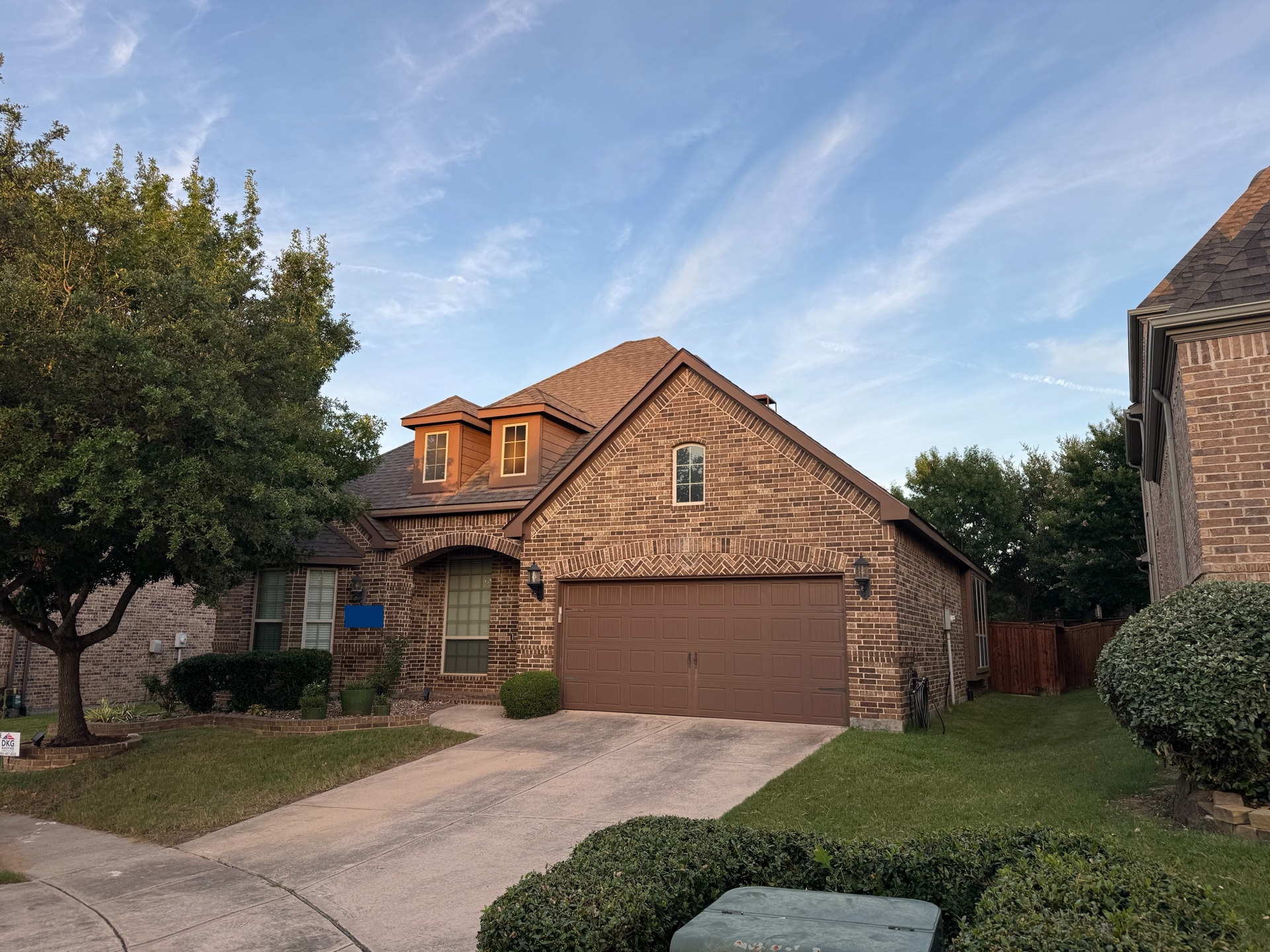
On the other hand, if you want to maximize your square footage with a functional attic space or if you are keeping a close eye on the budget, the gable roof is an excellent choice. It is also the easier option for those looking to add dormers or unique architectural features later on. Whichever direction you choose, the quality of the installation is what matters most. In the DFW area, your roof is your first line of defense against hail and wind. If you are dealing with a property that has seen better days, we can assist with storm damage assessments and help you decide which structural style best fits your needs.
Frequently Asked Questions
Think your roof needs attention?
DKG Roofing serves North Texas with free roof inspections — a roof walk and verbal findings — written itemized quotes, and adjuster meetings when a claim is involved. Call (940) 497-2833 or request your free inspection online.
Veteran-Owned · Insured