
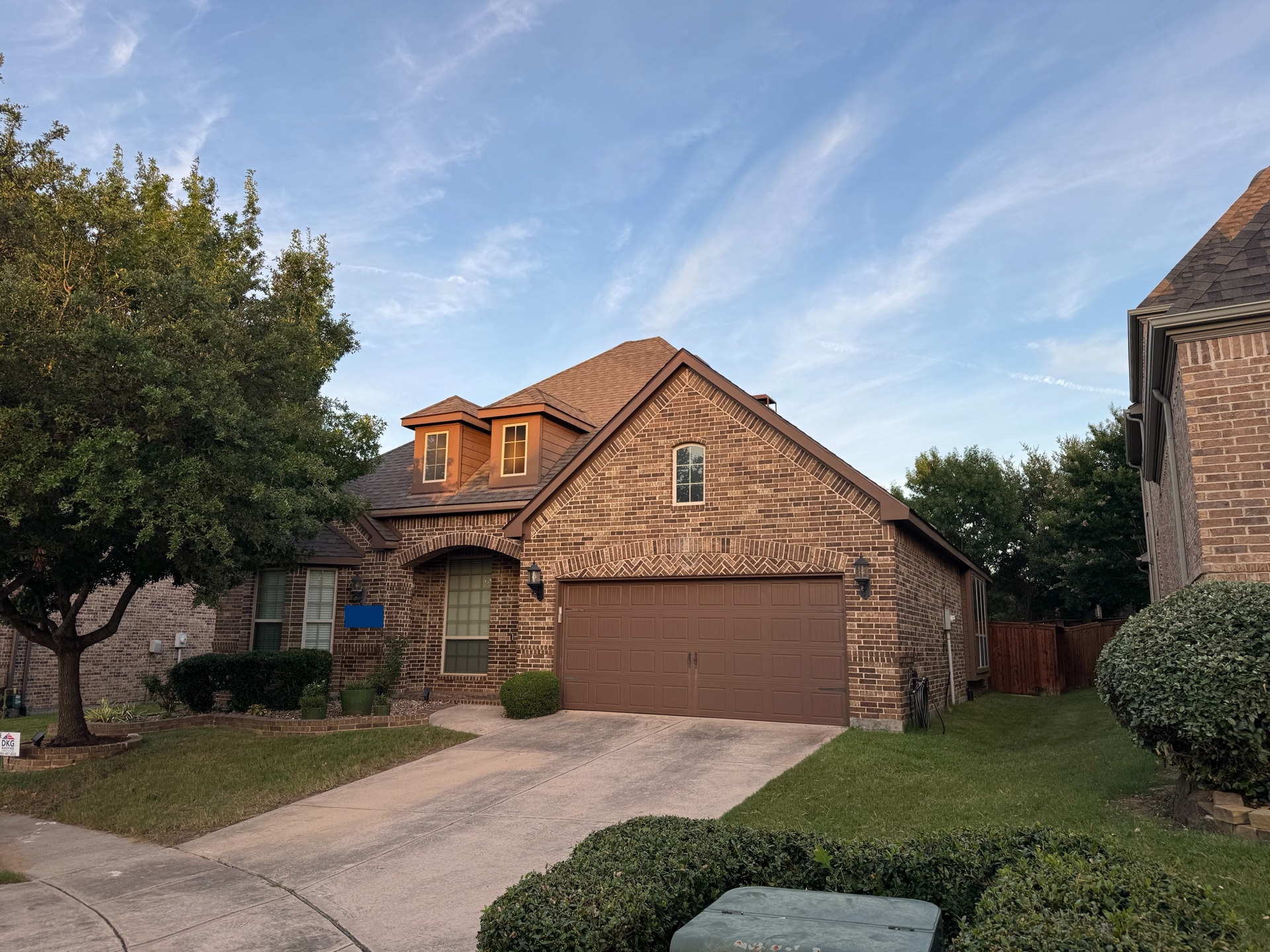
Finding a water stain on your ceiling is never a good way to start the day. For homeowners in Denton County and across the DFW Metroplex, a roof leak is often the result of our region\'s volatile weather—ranging from 100-degree heat that cracks sealant to sudden hailstorms that bruise shingles. When you realize you need a roof leak repair, the first question is always: 'What is this going to cost me?'
At DKG Roofing, we believe in straightforward answers. Serving the North Texas roofing industry, we’ve seen everything from minor flashing issues to major structural failures. Understanding the variables that go into roof repair costs will help you make an informed decision and protect your biggest investment.
The Variables That Drive Repair Costs
There is no one-size-fits-all price for fixing a leak because no two roofs are identical. In North Texas, the complexity of your roof’s design and the materials used play a significant role in the final invoice. A simple ranch-style home with a low-slope roof is generally less expensive to repair than a multi-story home with steep pitches that require specialized safety equipment.
Material availability also impacts price. If your home uses standard architectural shingles, the cost of replacement materials is relatively low. However, if you have specialized materials like metal, tile, or designer shingles, the cost of both the materials and the specialized labor required to install them will be higher. Distance and accessibility also matter; if a crew has to manually haul materials to a difficult-to-reach area of the roof, the labor hours will increase.
Typical Price Ranges for Common Leak Repairs
While every job requires an on-site roof inspection to confirm the source, we can provide general ranges based on common local issues. Keep in mind that these are estimates for repairs, not full replacements.
Many leaks in Denton County are localized around 'penetrations'—the spots where pipes or vents exit the roof. These are often the most affordable leaks to fix if caught early. However, if the leak has been active for months, the cost of the repair will rise as the internal wood decking (sheathing) begins to rot and lose its structural integrity.
- Minor shingle repair: $400 - $600. Addressing a few blown-off shingles or nail pops.
- Flashing and boot replacement: $500 - $950. Replacing the metal or rubber seals around chimneys, vents, and valleys.
- Moderate structural repair: $1,200 - $3,000. Repairing the wood decking underneath the shingles and replacing a larger section of the roof.
- Emergency repairs: Extra fees often apply for after-hours or immediate "tarp-and-dry" services during a storm.
The Cost of Waiting: Why Early Detection Matters
In the DFW area, our weather cycles between extreme dry heat and intense moisture. This cycle accelerates the damage caused by a leak. A small $500 repair today can easily turn into a $5,000 project if left alone for a season. When water penetrates the shingles, it doesn't just stay there. It travels down rafters, saturates insulation, and creates a breeding ground for mold in your attic.
By the time you see a brown spot on your living room ceiling, the water has likely already damaged several other components of your home’s structure. As a veteran-owned company, we take an honest approach to these situations: we will never tell you that you need a full replacement if a repair will suffice, but we will always be transparent about the risks of delaying a necessary fix. If you suspect storm damage, it is always cheaper to verify the situation early.
Insurance vs. Out-of-Pocket Costs
A common question from North Texas property owners is whether they should file a claim for a leak. If the leak is the result of a specific storm event—like the hail and wind we frequently see in Denton—your homeowner\'s insurance may cover the cost of the repair minus your deductible. In many cases, if the damage is widespread, the insurance company may even authorize a full roof replacement.
However, insurance typically does not cover leaks caused by "lack of maintenance." If your roof is 20 years old and the shingles are simply wearing out, the insurance company will view the leak as the homeowner\'s responsibility. When a claim is involved, we meet the adjuster on site so the full extent of the documented damage is seen.