When the Texas sun starts beating down on Denton County in mid-July, your roof becomes the primary line of defense against soaring temperatures. Homeowners often ask us if the color of their shingles or metal panels actually impacts their monthly electricity bill. The short answer is yes—the color and material of your roof play a significant role in how much heat your home absorbs.
At DKG Roofing, we have seen how different materials react to the North Texas climate. As a veteran-owned company, we believe in giving you the straight facts about how 'cool roofing' technology and color choices can affect your comfort and your wallet.
The Science of Solar Reflection and Absorption
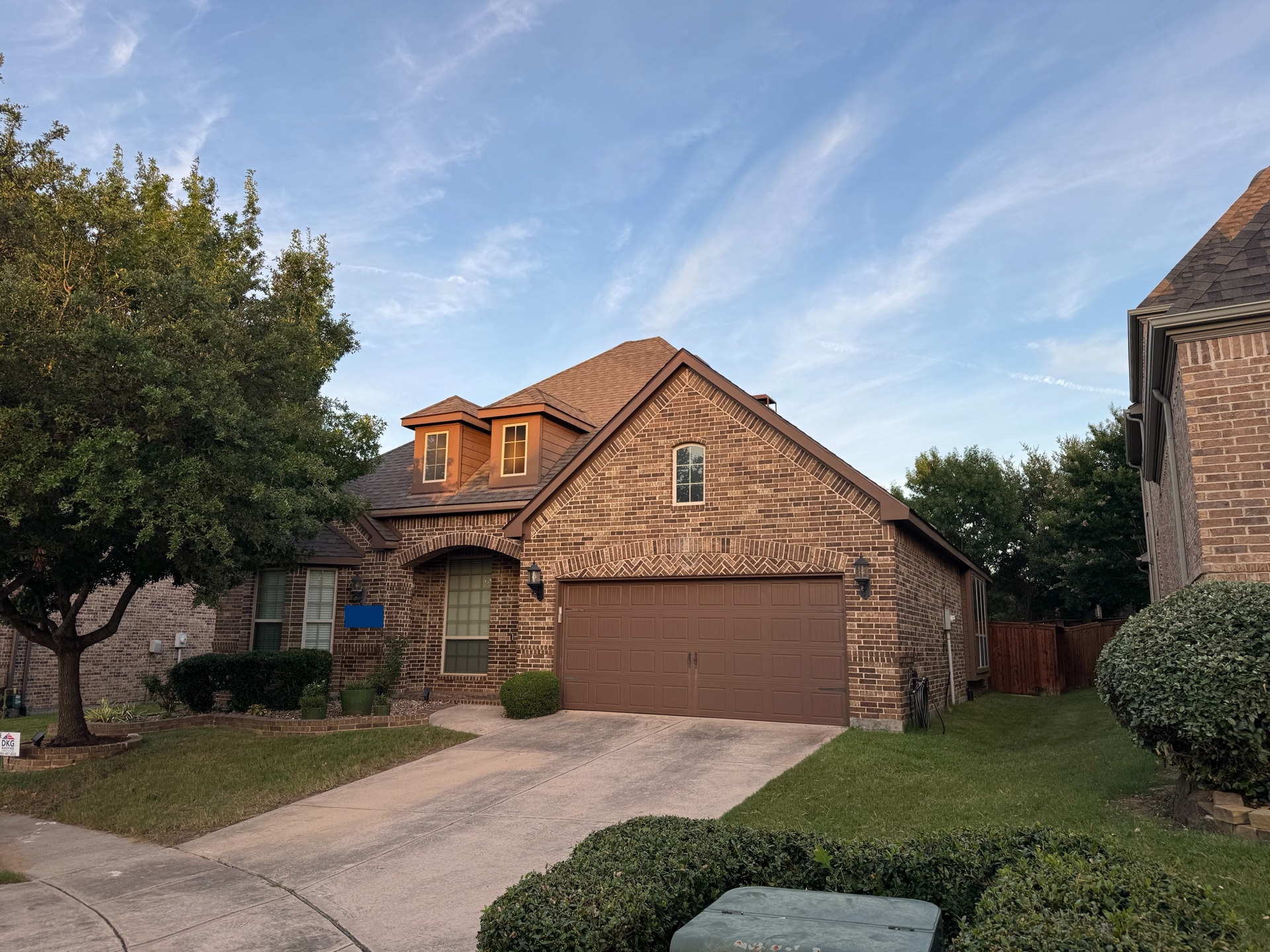
The primary reason roof color affects house temperature is a phenomenon called the 'albedo effect.' Lighter colors have a higher albedo, meaning they reflect a larger percentage of solar radiation back into the atmosphere. Conversely, darker colors like black, charcoal, and deep brown absorb that energy, converting it into thermal heat that radiates directly into your attic.
In the DFW Metroplex, roof surface temperatures on a dark asphalt shingle can easily exceed 150 degrees Fahrenheit on a 100-degree day. A highly reflective white or light gray roof can stay significantly cooler, often by as much as 50 to 60 degrees compared to its darker counterparts. This temperature differential determines how hard your HVAC system has to work to maintain a comfortable environment downstairs.
Why Light Colors Win in North Texas
For residents in Denton and surrounding areas, the cooling season lasts significantly longer than the heating season. While a dark roof might provide a negligible benefit during our brief winters by absorbing some sun, that advantage is completely erased by the massive heat gain experienced from May through September.
Choosing a light-colored material—such as tan, light gray, or white—is one of the most passive and effective ways to improve a home's energy efficiency. If you are considering a new roof installation, selecting a lighter shade is often a no-cost upgrade that pays dividends for the next two decades.
- Lower cooling costs during the long Texas summer.
- Reduced thermal shock, which can extend the lifespan of your roofing materials.
- Decreased strain on air conditioning units, leading to fewer mechanical repairs.
- Contribution to a lower 'urban heat island' effect in densely populated DFW neighborhoods.
Beyond Just Color: Materials and Technology
While color is a major factor, it is not the only one. Material composition matters just as much. For example, a dark-colored metal roof will often outperform a dark asphalt shingle roof because metal has lower thermal mass; it heats up quickly but also cools down almost instantly once the sun goes down or a cloud passes over.
Many homeowners are concerned that a white or light-colored roof won't match their home's aesthetic. Fortunately, roofing technology has advanced. You can now choose 'cool' versions of traditional colors. These products are designed to reflect infrared light, which is responsible for heat, while still appearing as a standard gray or brown to the naked eye. If you have experienced storm damage and are looking at an insurance claim, this is an excellent time to discuss upgrading to these energy-efficient materials.
- Cool Roof Shingles: Modern manufacturers now produce dark-colored shingles embedded with reflective granules that meet 'Cool Roof' standards.
- Metal Roofing: Pre-painted metal roofs often use infrared-reflective pigments that stay cool even in darker shades.
- Proper Ventilation: Even the lightest roof will fail to keep a house cool if the attic lacks a functioning ventilation system to exhaust trapped heat.
The Importance of Attic Insulation
It is important to remember that the roof color only controls how much heat reaches your attic. How much of that heat moves from the attic into your bedrooms depends entirely on your insulation and ventilation. A well-insulated attic acts as a barrier, slowing the transfer of heat regardless of the roof color.
However, by choosing a reflective roof color, you are reducing the 'heat load' that the insulation has to fight. When DKG Roofing performs roof inspections, we don't just look at the shingles; we look at the entire system to ensure your home is protected from the unique challenges of the North Texas environment.