
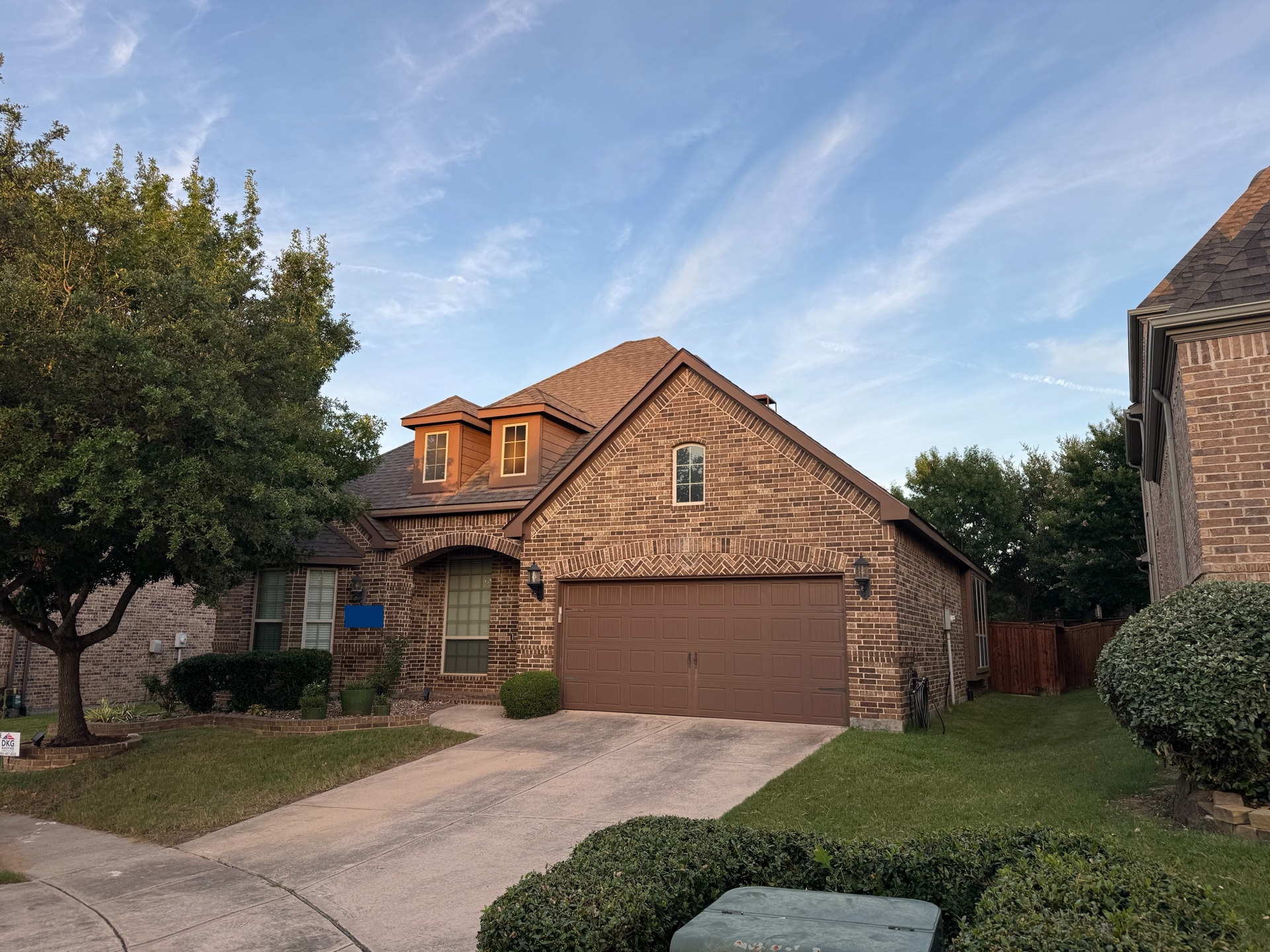
When you pull through neighborhoods in Denton County like Robson Ranch or the custom estates in Argyle, the distinctive silhouette of clay tile roofs stands out. It is one of the oldest and most reliable roofing materials in history, prized for its natural aesthetics and incredible durability. For a homeowner in North Texas, choosing clay is often a 'forever' decision.
At DKG Roofing, we roof North Texas homes, navigating the unique challenges of the DFW climate. While a standard asphalt shingle roof might struggle to see its 20th birthday in the Texas heat, a properly installed clay tile roof can easily last 50 to 100 years. However, that longevity is not automatic; it depends entirely on the quality of the installation and the maintenance of the components you can’t see.
The 50 to 100-Year Potential
Clay tiles are made from natural earth materials fired in a kiln at extremely high temperatures. This process creates a vitrified, stone-like material that is virtually impervious to the elements. Unlike organic materials, clay does not rot, decay, or harbor insects. In the North Texas sun, where UV radiation degrades shingles daily, clay remains structurally sound without losing its color or shape.
In the right conditions, it is not uncommon for a clay tile roof to outlast the mortgage of the person who installed it. This makes it a high-ROI choice for long-term property owners. However, while the tiles themselves are nearly immortal, the roofing system as a whole requires a more nuanced understanding of 'lifespan.'
The 'Weak Link' in Tile Systems: The Underlayment
The most common misconception we encounter is that a 100-year tile means a 100-year waterproof seal. This is rarely the case. While the clay tiles shed the majority of the rain, they are not 100% watertight. The real waterproofing happens at the underlayment level—the felt or synthetic layer installed directly on the roof deck.
In the extreme heat of a DFW summer, underlayment can become brittle over 20 or 30 years. If the underlayment fails, you will experience leaks even if every single clay tile is perfectly intact. This often leads to a process called a 'tile lift' or 'relay,' where we carefully remove the existing tiles, replace the underlayment and flashings, and then reinstall the original tiles. If you are planning for the long haul, you must budget for this roof repair service at some point in the second or third decade of the roof's life.
Environmental Factors in North Texas
The longevity of your tile roof in Denton County is largely dictated by our local weather patterns. Clay is heavy and durable, meaning it performs exceptionally well against the high winds of a spring storm. It is much harder for wind to lift a heavy tile than it is to strip away a light asphalt shingle.
However, clay is brittle. The primary threats to its lifespan in our area include:
When we perform roof inspections, we often find that the most significant damage was caused by a Previous contractor or homeowner walking on the tiles incorrectly. Clay tiles should only be traversed by professionals who know how to distribute their weight to prevent cracking the 'over-lap' or the 'crown' of the tile.
Maximizing Your Investment
To ensure your roof reaches the century mark, proactive maintenance is mandatory. As a veteran-owned company, we believe in doing the job right the first time so you aren't paying for it twice later. This means using high-grade fasteners and ensuring the ventilation system is adequate to prevent heat buildup in the attic, which can bake the underlayment from the underside.
If you are considering a new roof installation or need an honest assessment of your existing clay tiles, don't leave it to chance. The weight of clay requires a structural engineer's oversight in some cases, and the installation requires a level of craftsmanship that general handymen simply cannot provide.
- Keep gutters and valleys clear: Debris buildup can cause water to back up under the tiles, accelerating underlayment rot.
- Replace cracked tiles immediately: A single broken tile exposes the underlayment to direct UV rays and water, cutting years off its life.
- Check the flashings: Metal flashings around chimneys and dormers often fail before the tiles do. High-quality copper or lead flashings are recommended for longevity.