When planning a new build or a major renovation in Denton County, one of the most fundamental decisions you will face is the structural profile of your roof. While the choice between a flat roof and a sloped roof might seem aesthetic, it fundamentally dictates how your property will handle the extreme North Texas weather, from scorching triple-digit heat to sudden spring hailstorms.
At DKG Roofing, we roof North Texas homes, navigating the unique challenges of the DFW Metroplex. As a veteran-owned contractor, we believe in providing straightforward facts so you can choose the system that best protects your investment. Both flat and sloped systems have clear advantages and specific maintenance requirements that every property owner should understand before breaking ground.
Understanding the Sloped Roof Advantage
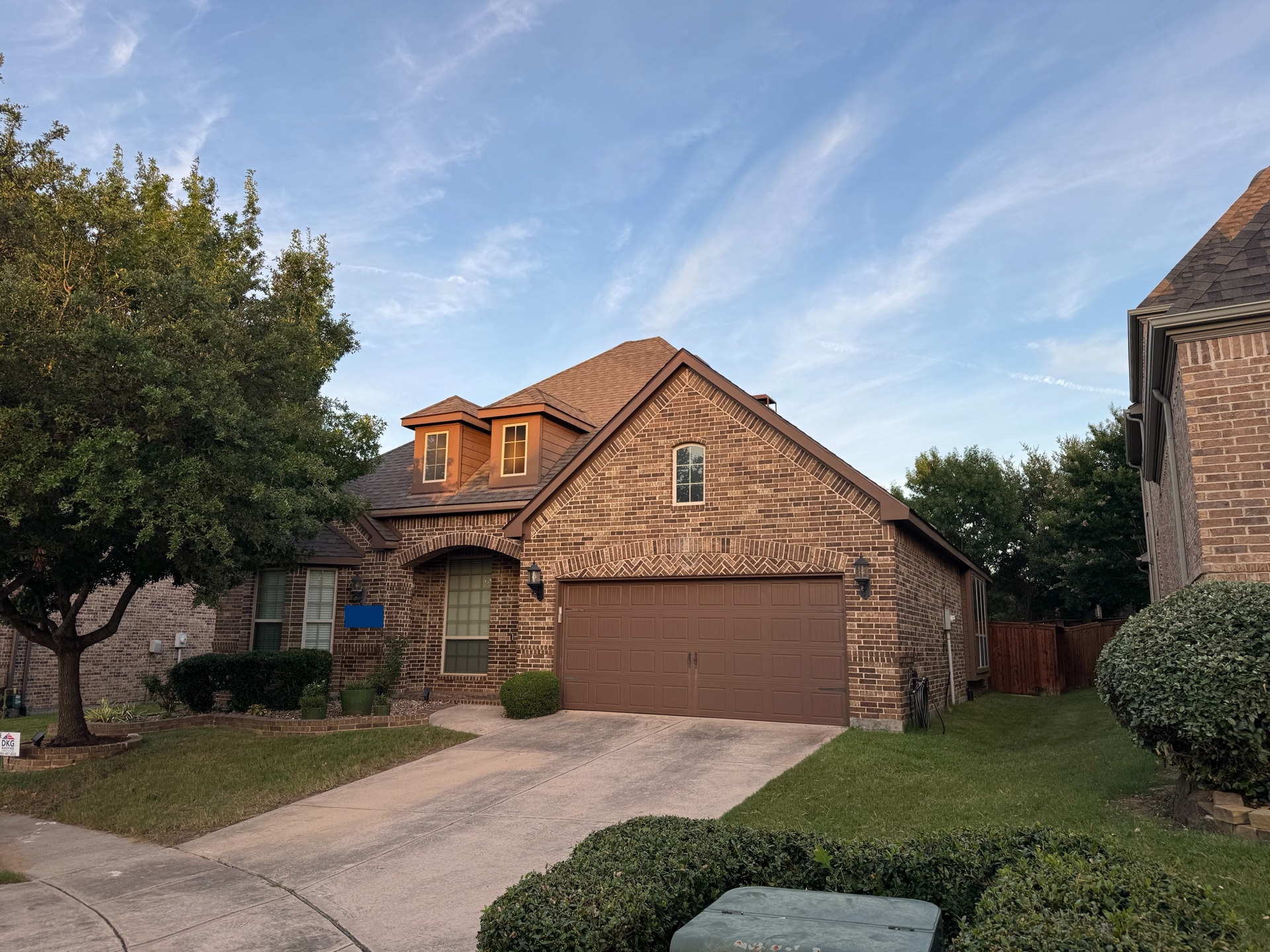
Sloped roofs, often referred to as pitched roofs, are the standard for most North Texas residential properties. The primary benefit of a sloped system is its natural ability to shed water. In an area prone to torrential downpours, gravity is your best friend. Water, ice, and debris are directed into the gutter system and away from the foundation, significantly reducing the risk of "ponding" water that can lead to structural rot.
Beyond drainage, sloped roofs offer superior ventilation. The attic space created by a pitch allows for better airflow, which is critical during our intense summer months. Proper ventilation helps regulate indoor temperatures and prevents your HVAC system from overworking. Most homeowners choose composition shingles for these systems, but metal and tile are also high-performance options available through our residential roofing services.
The Rise of Flat Roof Systems
Flat roofs—technically "low-slope" roofs—are standard in commercial roofing but are increasingly popular for modern residential designs. These systems aren't perfectly level; they have a slight pitch to ensure water moves toward drains or scuppers. The primary draw of a flat roof is the efficient use of space. You can utilize the "roofscape" for HVAC units, solar arrays, or even outdoor living areas like patios and gardens.
From a cost perspective, flat roofs often require less initial material for the structural framework. However, the specialized membranes required to keep them watertight, such as TPO (Thermoplastic Polyolefin) or modified bitumen, require precise installation techniques. In North Texas, these white or light-colored membranes are excellent for reflecting UV rays, which can lead to significant energy savings during the summer.
Maintenance and Longevity in North Texas
The lifespan of your roof often comes down to maintenance and the quality of the roof installation service you choose. Sloped roofs are generally easier to maintain. Shingles are easy to inspect from the ground, and repairs are straightforward. However, they are more susceptible to wind uplift and hail damage due to the angle of impact.
Flat roofs require a more disciplined maintenance schedule. Because they do not shed debris as easily as pitched roofs, leaves and silt can accumulate, blocking drainage paths. If water sits on a flat roof for more than 48 hours, it is considered ponding water, which can eventually break down the membrane and void warranties. For commercial property managers in the DFW area, regular inspections are non-negotiable to ensure the seals around penetrations and parapet walls remain intact.
Making the Right Choice for Your Property
Deciding between the two often depends on your building's footprint and your long-term goals. If you are looking for a traditional aesthetic with minimal maintenance and maximum longevity, a sloped roof is hard to beat. If you are aiming for a modern architectural style or need to house heavy equipment on the roof, a flat system is the practical choice.
Regardless of the slope, the North Texas climate will eventually test the integrity of your roof. Whether you are dealing with a leak on a flat deck or wind-damaged shingles on a steep gable, DKG Roofing has the expertise to provide an honest assessment. We recommend starting with professional roof inspections to determine the current state of your system before deciding on a full replacement.